


Discover how to build lasting customer relationships with a successful loyalty program. Our complete guide covers strategies to increase retention and boost loyalty.

Customer loyalty is harder to win than ever. Even with exceptional products, great service, and an engaging shopping experience, customers will still come and go. The key to sustainable growth lies in retention - keeping customers coming back again and again.
That’s where loyalty programs come in. When done well, they’re one of the most powerful tools to increase retention, boost customer lifetime value (CLV), and turn everyday shoppers into brand advocates.
This complete guide will show you how to build a loyalty program that goes beyond points and perks - creating a long-term strategy that drives repeat business and genuine brand love.
Repeat customers are the lifeblood of long-term success. In fact, 80% of your profit will come from 20% of your existing customers.
Loyalty programs are designed to encourage repeat business and help brands stand out from competitors. By rewarding customers for returning, you can:
For small businesses, loyalty programs offer a low-cost, high-impact way to grow revenue and build a stronger community around your brand.
Not all loyalty programs deliver results. Many fail due to poor design, limited incentives, or lack of integration. Avoid these common pitfalls when creating your program:
Loyalty programs can target three goals - more frequent purchases, increased spend per transaction, or deeper customer insights. Your structure should reflect the behaviour you want to incentivise.
Fact: 75% of consumers say they’re more likely to switch brands if offered a better loyalty program.
Design your rewards to drive your goals - such as offering free shipping above a certain spend to increase order value.
Generic or irrelevant rewards won’t excite customers. Incentives should feel meaningful and reflect your brand identity. Offer experiences, exclusivity, or recognition - not just discounts.
Fact: 80% of consumers are more likely to do business with a company that offers personalised experiences.
Loyalty programs should support, not replace, your other marketing efforts. Integrate your program with your CRM, email, and social channels to maximise impact.
Fact: Loyalty programs integrated with CRM systems can boost customer retention by up to 20%.
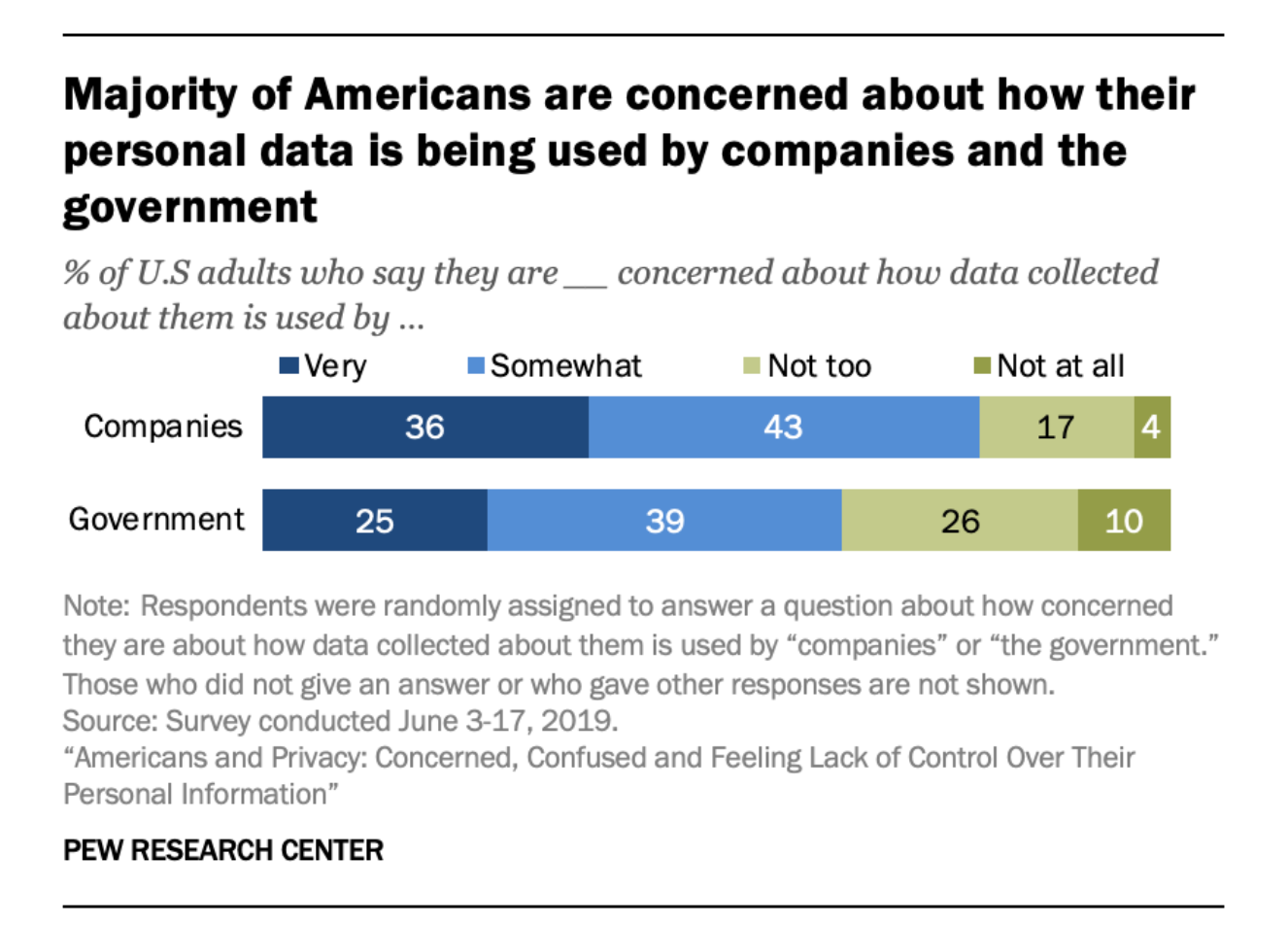
Customer data drives loyalty success, but privacy concerns are growing. Collect data transparently and clearly explain how it’s used.
Fact: 72% of Americans are concerned about the amount of data companies collect about them.
With these challenges in mind, let’s dive into ways to offer a loyalty program that excites and delights customers, ultimately strengthening brand affinity and customer retention.
Loyalty programs don’t just reward customers - they benefit your bottom line too.
They encourage repeat purchases, stabilising revenue and helping your business grow consistently.
A great example is Sephora’s Beauty Insider program. It uses tiers, early access, and personalised rewards to encourage engagement. Members spend three times more than non-members - a clear sign that loyalty pays off.
Acquiring new customers can cost five times more than keeping an existing one. Loyalty programs help lower acquisition costs by driving repeat purchases and strengthening retention.
When customers join a program, they share valuable data about their habits and preferences. This allows you to:
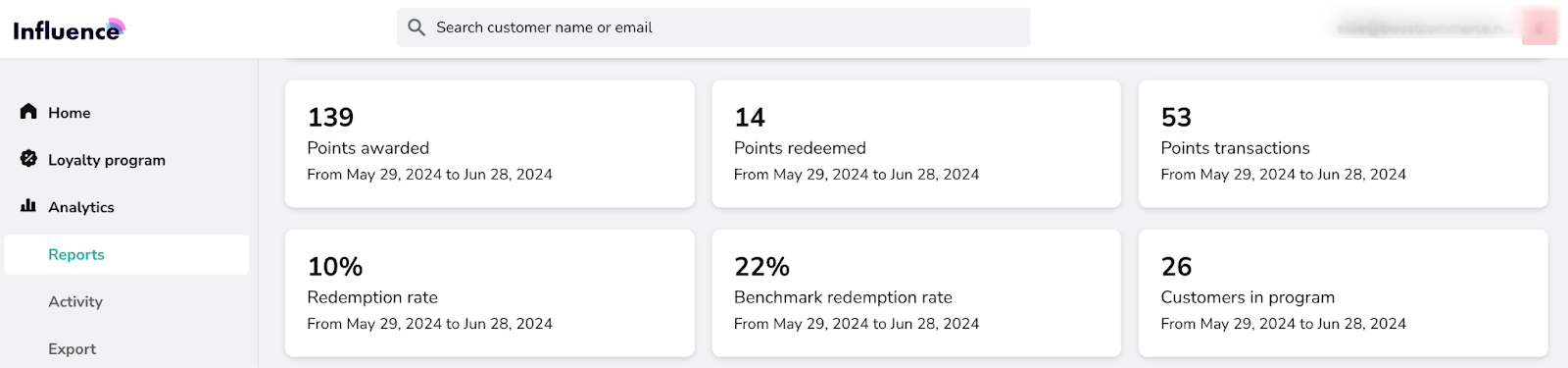
Influence provides detailed reports and industry benchmarks so you can measure your program’s performance.
Rewarding repeat customers builds trust and community. Loyal members not only spend more but also refer friends and family - helping your brand grow organically.
Influence’s Referral tool makes this easy, allowing customers to earn points or rewards when they share your brand with others.
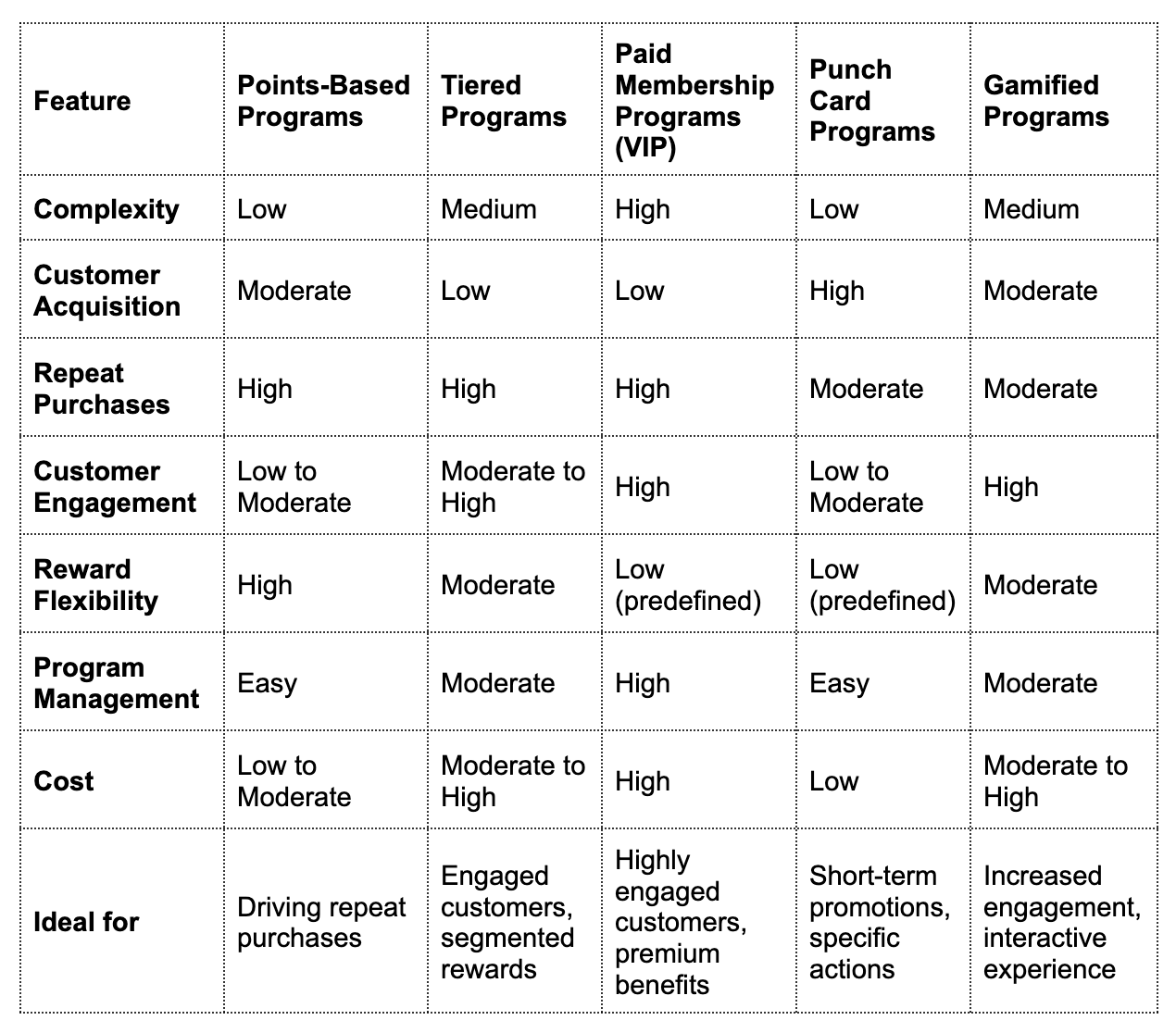
Every business is different, and so is every loyalty strategy. Here are the most common program structures - along with their pros and cons.
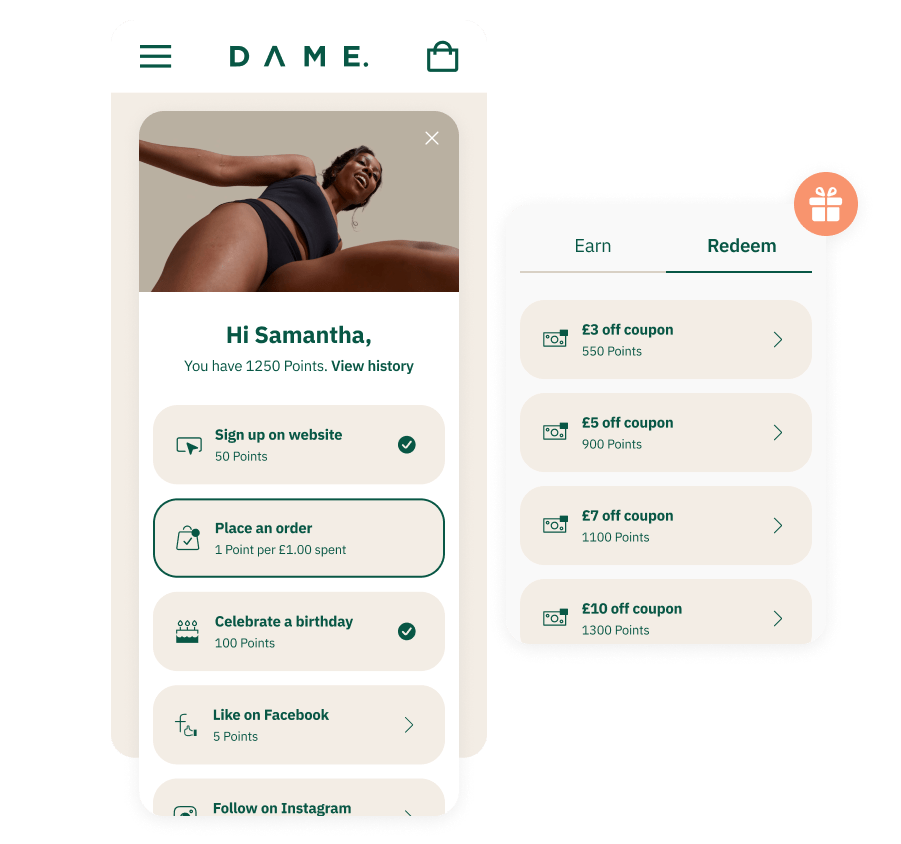
Customers earn points for purchases and redeem them for rewards.
The most common structure: customers earn points for purchases and redeem them for rewards.
Many online stores use this to reward loyal shoppers with free shipping, discounts, or small gifts.
Example: 50 points = free shipping, 100 points = 10% discount, 200 points = free gift wrapping.
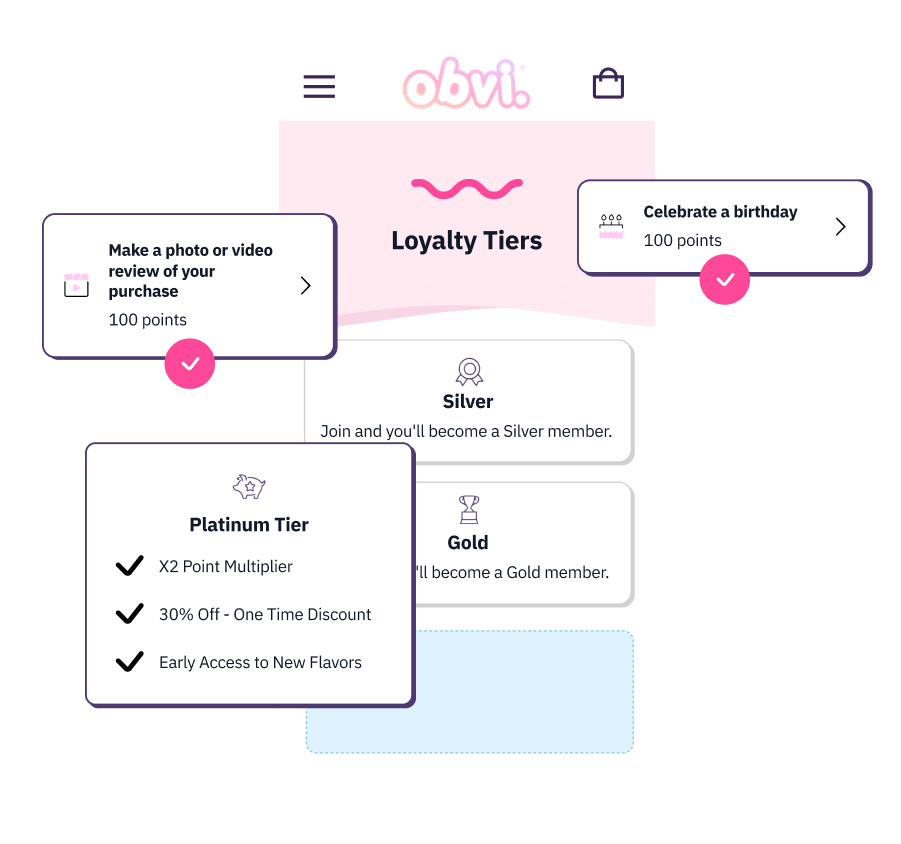
Tiered systems reward progress. Customers move up tiers based on engagement, unlocking better perks - like birthday gifts, priority support, or access to member-only events.
This structure creates a sense of achievement and encourages customers to interact more frequently. It also helps you segment audiences and deliver targeted messages that match their engagement level.
VIP programs charge a monthly or annual fee in exchange for exclusive perks and elevated service. Customers who opt in are often your most loyal supporters - ready to invest more in exchange for premium value.
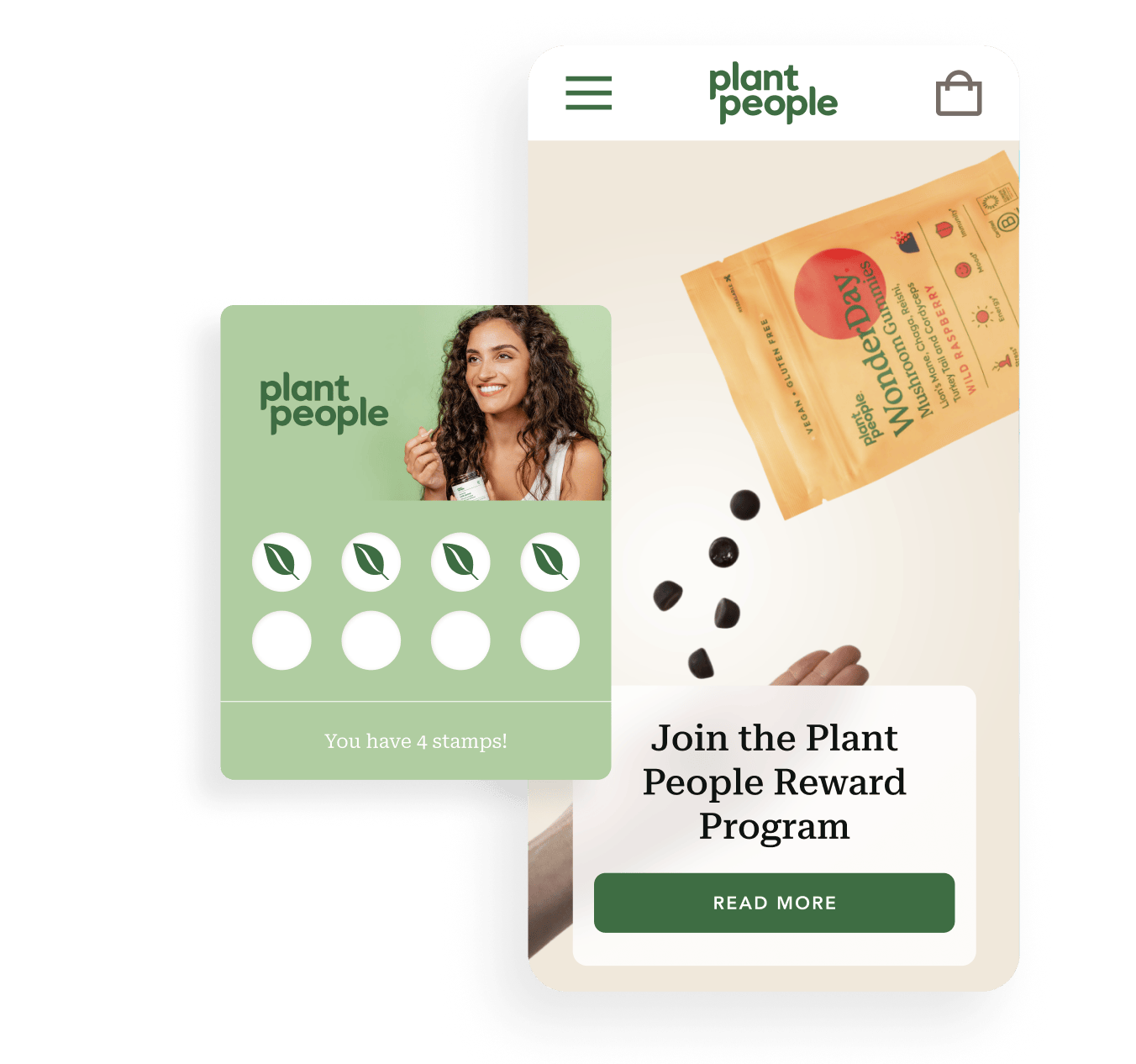
Simple and effective. Customers earn “punches” or stamps per purchase and redeem them once the card is full.
Influence’s digital StampCard modernises this format - letting you brand your card, offer flexible redemptions, and even pre-fill stamps to boost engagement.
Gamification brings fun into loyalty. Adding challenges, achievements, or points multipliers keeps customers engaged and motivated.
It’s an ideal strategy to keep loyalty feeling fresh, especially for younger audiences used to interactive experiences.
Follow these five steps to find the best program for your business:
Define your objectives. Do you want to boost purchase frequency, improve engagement, or gather insights? Understand your audience’s buying habits and motivations before deciding.
Review different program types and identify which best fit your customers’ preferences.
“Creating a loyalty program should be as unique as your business. Using a solution like Influence allows for your brand voice to shine through and offers the flexibility needed to increase engagement.” - Kai Jensen, Product Manager at Influence
Start with a simple structure, then scale as you grow. Prioritise rewards that genuinely feel valuable, like early access or personalised recommendations.
As you collect data, test what works best. Offer a mix of rewards that align with your goals - for example, free shipping for repeat purchases or bonus points for referrals.
Once launched, promote your program across email, social media, and your website. Keep communication consistent and encourage sign-ups through clear calls to action.
Loyalty is more than transactions. Celebrate milestones, send thank-you rewards, and create emotional connections to make your program unforgettable.
Creating a loyalty program that drives results isn’t about complex features - it’s about understanding your customers.
Influence makes it easy to design, launch, and optimise loyalty programs that increase engagement, retention, and customer lifetime value.
From StampCards and Memberships to Referrals, Wallet passes, and advanced analytics, Influence provides everything you need to succeed.
Get started with Influence today to build stronger customer relationships and sustainable business growth.
A clear structure, relevant rewards, and personalisation. Customers should easily understand how to earn and redeem points.
By encouraging repeat purchases, rewarding engagement, and strengthening brand loyalty - leading to a steady increase in overall sales.
Simple structures like points or StampCard programs are easiest to launch and manage, with room to expand into tiered or gamified models later.
Retention is more affordable than acquisition. Loyalty programs help you keep valuable customers and reduce your overall marketing spend.
Influence offers everything from analytics and reporting to StampCards, Memberships, and Referrals - helping you launch and grow your program effortlessly.