


Learn why post-Q4 retention is driven by trust rather than discounts, and how combining authentic reviews with loyalty rewards helps turn undecided first-time buyers into confident repeat customers.
Peak season brings a surge of new customers. What determines growth is whether they stay.
After Q4, many brands rush to launch loyalty programs, discounts, and point incentives to hold onto newly acquired shoppers. But retention rarely fails because there aren’t enough rewards. It fails because loyalty is being asked to do too much, too early.
Retention works best when loyalty builds on trust - not when it tries to replace it. This is where the Influence and REVIEWS.io integration becomes essential.
Q4 acquisition often looks strong on paper. Order volume increases, customer lists grow, and first-time buyers flood in through seasonal promotions. But once peak season ends, the reality of those customers becomes clearer.
Many Q4 customers:
At this stage, customers aren’t disloyal - they’re undecided. And that distinction matters, because undecided customers don’t respond predictably to loyalty incentives alone.
Most Q4 customers didn’t discover your brand in a considered way - they arrived because of timing.
Holiday urgency, gifting, and seasonal discounts drive fast decisions. Customers buy quickly, often with limited research, and move on just as fast. As a result, many Q4 shoppers finish the year having made a purchase, but not a judgement about your brand.
Before deciding to return, they’re still working through basic questions:
Until those questions are answered, loyalty programs struggle to resonate. Incentives introduced too early can feel transactional because the foundation - confidence - isn’t there yet.
When loyalty is introduced before trust is established, it may generate short-term activity but rarely translates into sustained retention.
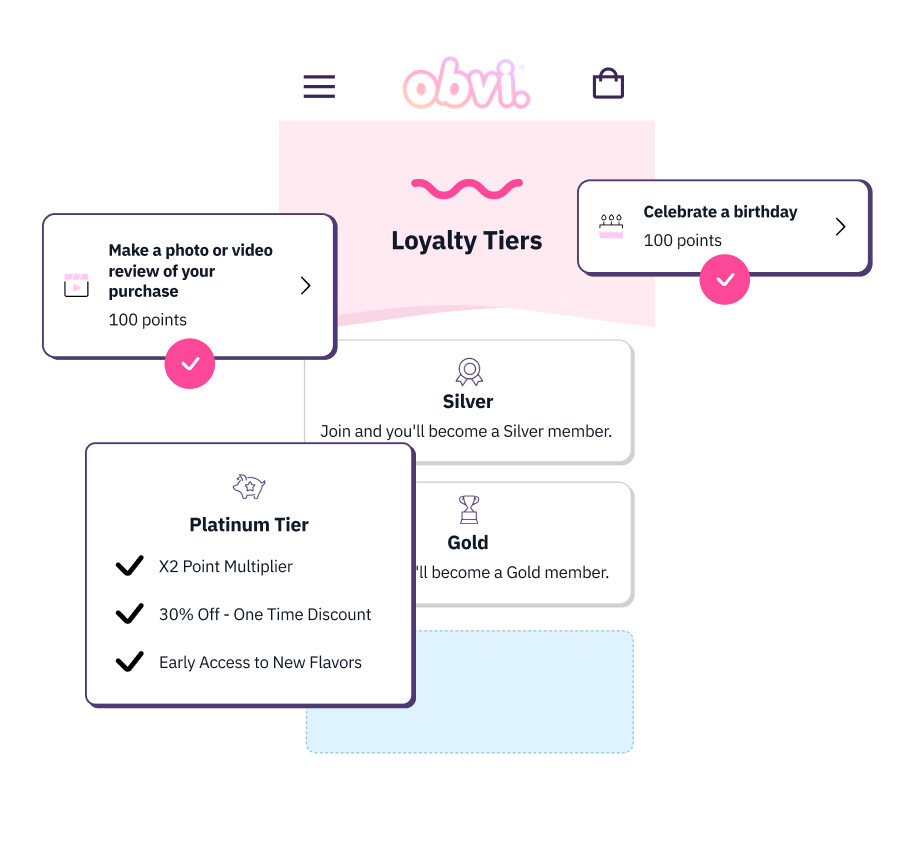
This is why loyalty structures that recognise progression over time, like tiers, tend to work better post-Q4 than one-off incentives.
When customers are undecided, trust is what moves them forward.
Before engaging with points, tiers, or rewards, customers look for reassurance. They want proof that their experience wasn’t a one-off and that returning is a safe decision. That reassurance comes from signals that feel real, recent, and relatable.
This is where reviews play a critical role.
REVIEWS.io acts as the trust layer by helping brands to surface:
When trust is present, hesitation drops. Customers feel safer returning - and only then does loyalty have something to build on.
Reviews are usually thought of as an acquisition tool, but in a post-Q4 context, they play a different role.
For many customers, reviews influence the second purchase - the moment where retention actually begins. After delivery, customers look for validation that they made the right choice and reassurance that others had similar experiences.
For post-Q4 customers, reviews help to:
Because of this, reviews are often the first meaningful retention touchpoint - even before loyalty is introduced.
Once trust is established, loyalty can finally do what it’s meant to do: reinforce participation, not force commitment.
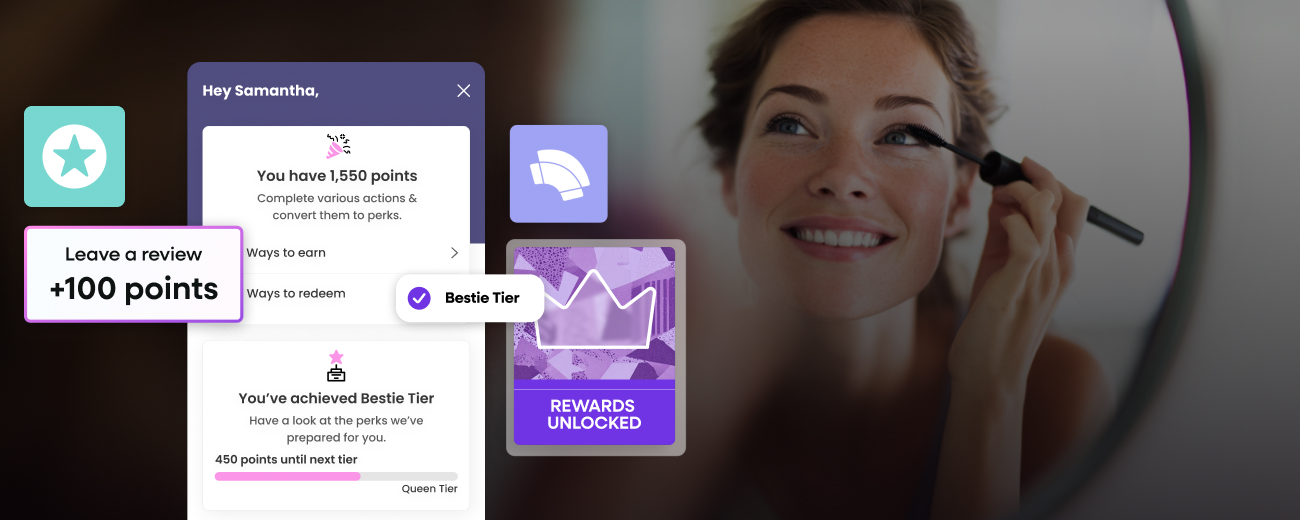
The Influence and REVIEWS.io integration connects trusted reviews directly to loyalty engagement. Instead of rewarding customers only for spending, brands can reward actions that actively build trust for others.
Through the integration, brands can:

This creates a clear value exchange. Customers know when they’re being rewarded, other shoppers can see authentic feedback, and brands remain transparent.
When loyalty is introduced after trust, it feels earned rather than pushed. This is where Influence fits naturally into the retention journey.
Loyalty becomes a way to:
Instead of trying to manufacture loyalty with discounts, Influence helps brands reward meaningful contribution.
Strong retention strategies don’t rely on a single moment or system. They work as a loop:
REVIEWS.io strengthens the trust layer, while Influence reinforces engagement. Together, they help brands turn confidence into repeat behaviour - not just repeat discounts.
Retention doesn’t start with points or rewards. It starts with confidence.
When brands lead with trust and follow with loyalty, retention becomes more sustainable.
The Influence and REVIEWS.io integration isn’t about merging tools, it’s about aligning with how customers actually decide to come back.
If you’re ready to turn trusted reviews into meaningful loyalty engagement, now is the time to get started.
Get started with Influence today and build a loyalty program that rewards trust, not just transactions.
Trust ensures customers feel confident returning to a brand. Without it, loyalty incentives can feel transactional or forced, reducing long-term retention impact.
Reviews reinforce confidence after the first purchase, validate expectations, and reduce hesitation around repeat buying.
They can, but they are less effective. Loyalty performs best when customers already trust the brand and feel emotionally invested.
REVIEWS.io establishes trust through authentic customer feedback, while Influence reinforces engagement by rewarding participation and contribution over time.